how to treat hypothyroidism during pregnancy How to treat_hypothyroidism_during_pregnancy
Hypothyroidism during pregnancy can cause several adverse effects on the health of both the mother and the developing fetus. However, with appropriate treatment, the condition can be managed successfully, ensuring a healthy pregnancy and baby. Below are some ways to treat hypothyroidism during pregnancy.
Treatment with Levothyroxine
Levothyroxine is a synthetic hormone that mimics the function of the thyroid hormone, which is responsible for regulating metabolism in the body. It is the most commonly prescribed medication for hypothyroidism during pregnancy. Doses should be adjusted regularly to maintain hormone levels within the normal range, as pregnancy can affect how the body absorbs and processes the drug.
 Image source: slidesharecdn.com
Dietary Changes
Women with hypothyroidism should consume a diet rich in iodine, zinc, and selenium, which are essential for the production of the thyroid hormone. Foods that are good sources of these minerals include seaweed, dairy products, eggs, seafood, and nuts. Additionally, women should avoid consuming soy, as it can interfere with the absorption of the thyroid hormone.
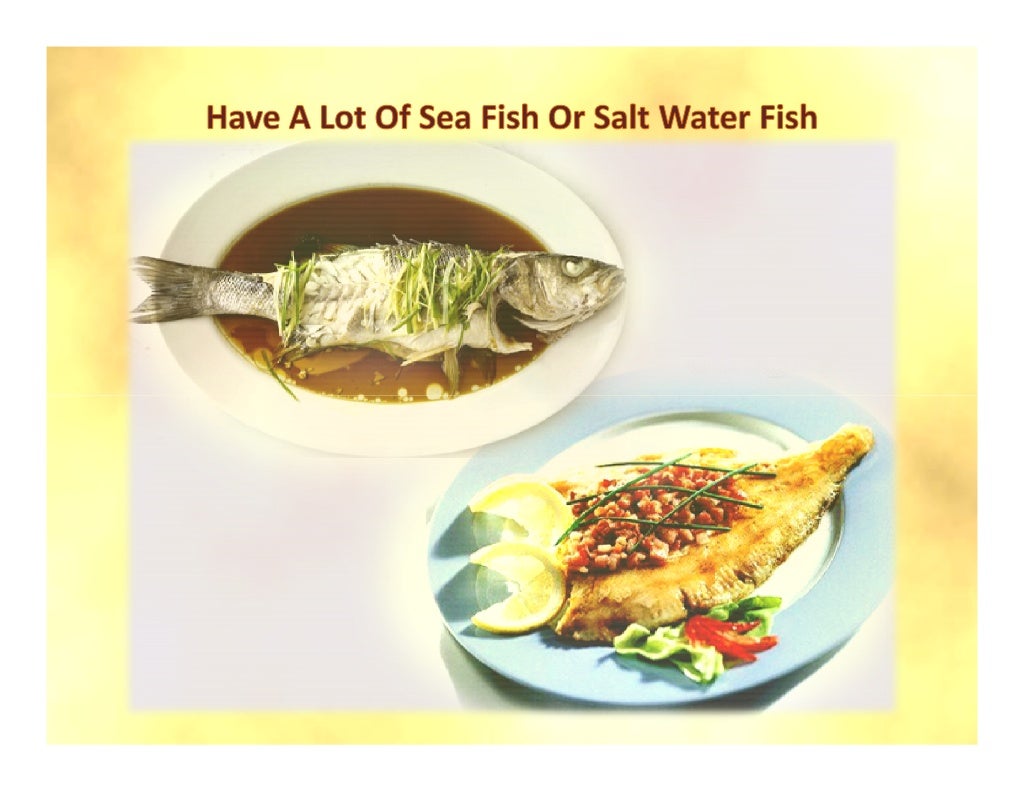 Image source: slidesharecdn.com
Regular Monitoring and Testing
Pregnant women with hypothyroidism should undergo regular monitoring and testing to ensure that their hormone levels remain within the normal range. This may involve blood tests every four to six weeks and adjustments to medication dosages as needed. In some cases, women may require more advanced testing, such as thyroid ultrasounds or biopsies.
Managing Other Health Conditions
Women with hypothyroidism may have an increased risk of developing other health conditions during pregnancy, such as gestational diabetes and preeclampsia. To minimize these risks, women should undergo regular prenatal care and adhere to a healthy lifestyle, including regular exercise, a balanced diet, and stress management.
Conclusion
Hypothyroidism during pregnancy requires prompt diagnosis and appropriate management to ensure a healthy pregnancy and baby. Treatment options such as levothyroxine, dietary changes, and regular monitoring and testing are essential for managing the condition successfully. Additionally, women should manage other health conditions that may arise during pregnancy to promote optimal outcomes for both themselves and their babies.
If you are looking for How to treat_hypothyroidism_during_pregnancy you’ve visit to the right place. We have 5 Pictures about How to treat_hypothyroidism_during_pregnancy like How to treat_hypothyroidism_during_pregnancy, How to treat_hypothyroidism_during_pregnancy and also How to treat_hypothyroidism_during_pregnancy. Read more:
How To Treat_hypothyroidism_during_pregnancy
www.slideshare.netHow To Treat_hypothyroidism_during_pregnancy
 www.slideshare.netpregnancy slideshare
How To Treat_hypothyroidism_during_pregnancy
www.slideshare.netHow To Treat_hypothyroidism_during_pregnancy
 www.slideshare.netHow To Treat_hypothyroidism_during_pregnancy
 www.slideshare.netHow to treat_hypothyroidism_during_pregnancy. How to treat_hypothyroidism_during_pregnancy. Pregnancy slideshare